
Formal to Functional: Living Room to Home Office Remodel
What started as an “easy” door-hanging job turned into a trip through Seattle's oldest millwork yards, creating custom-milled trim, and eventually ended with a husband’s work (finally) off the kitchen counter.
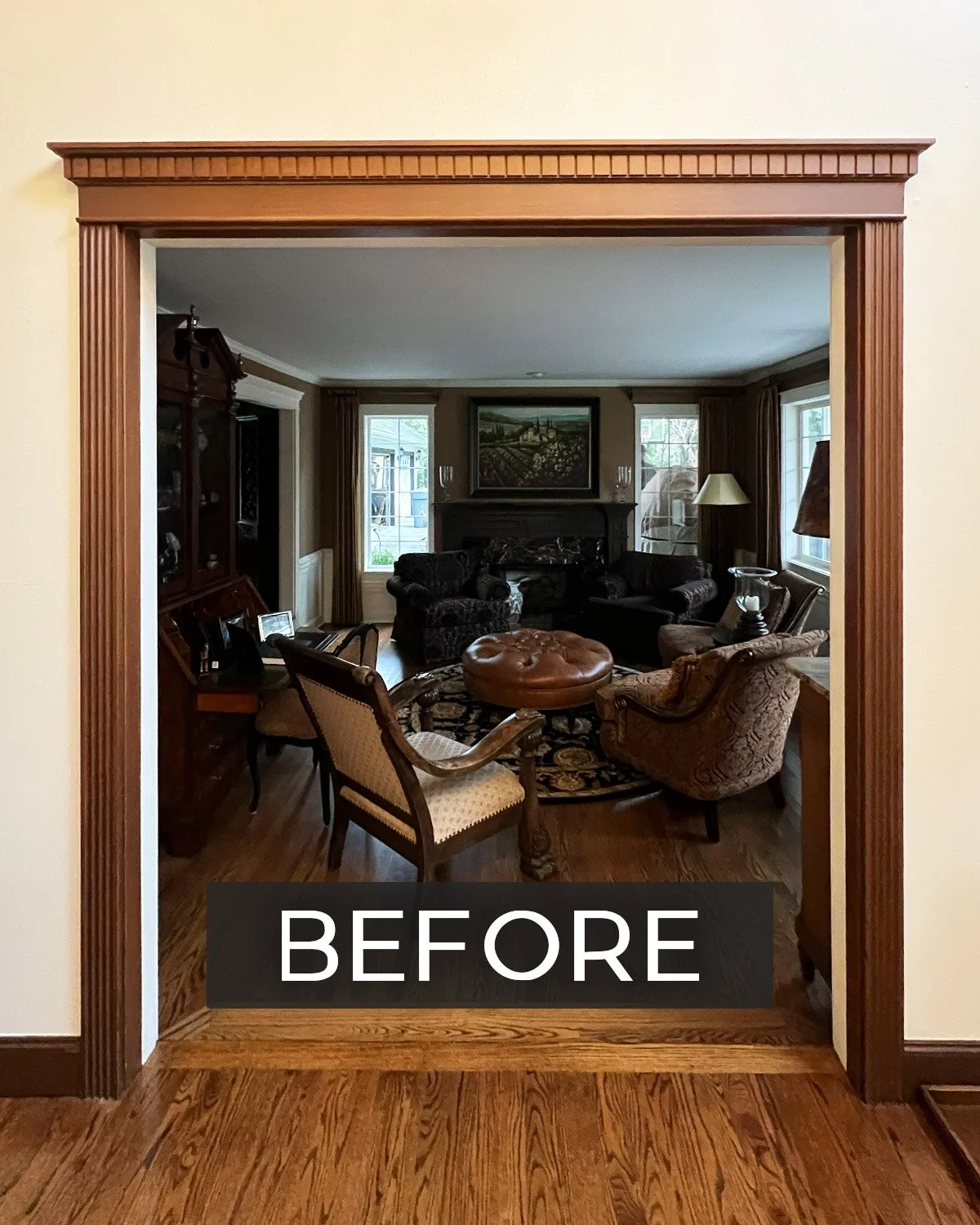
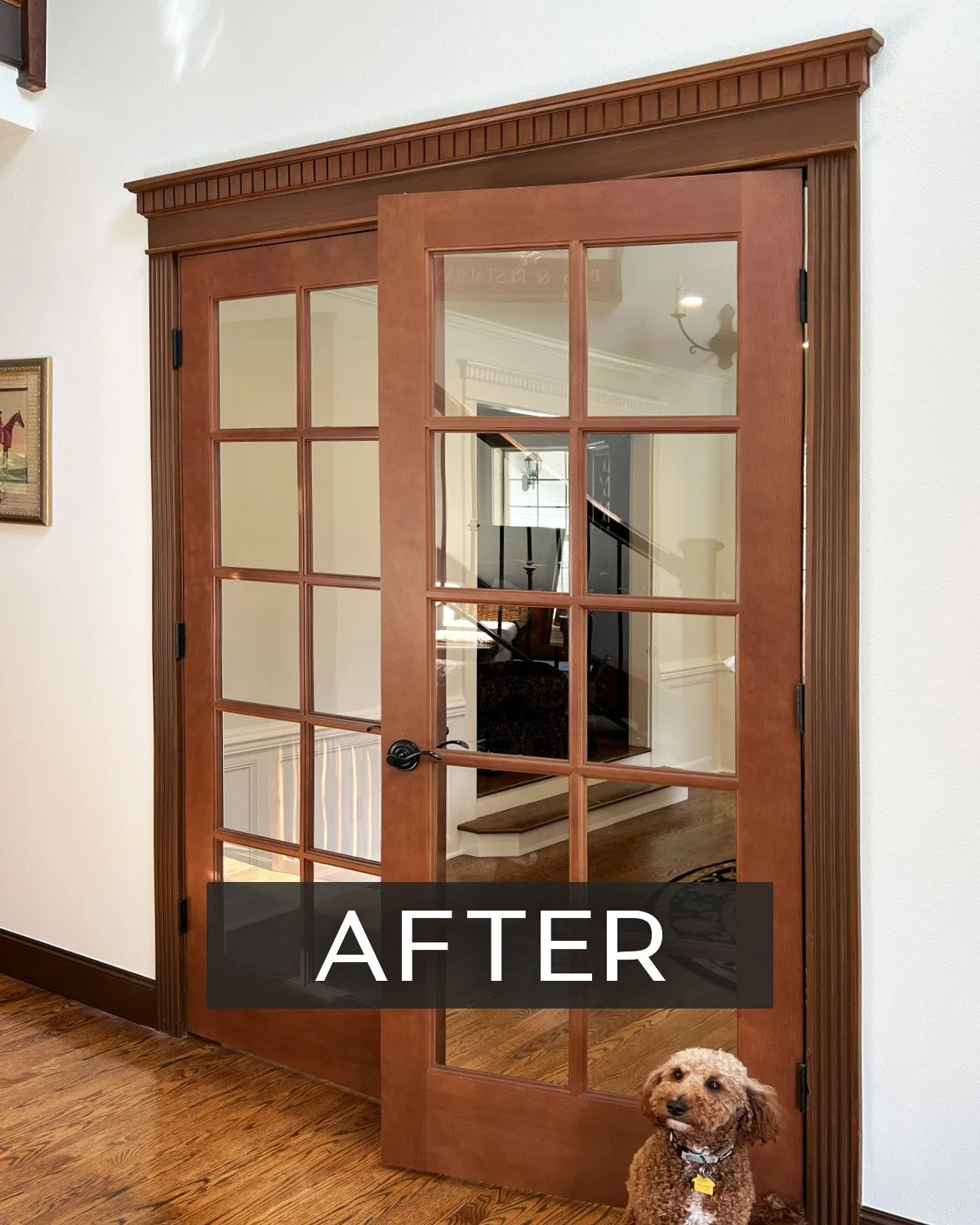
A homeowner wanted to convert her formal living room into an office for her husband, who recently started working from home and had his computer and paperwork taking over the kitchen. She simply needed a closed off space for him by adding double doors onto a wide cased opening that led into the old living room, which seemed straightforward enough.
The problems behind the doors
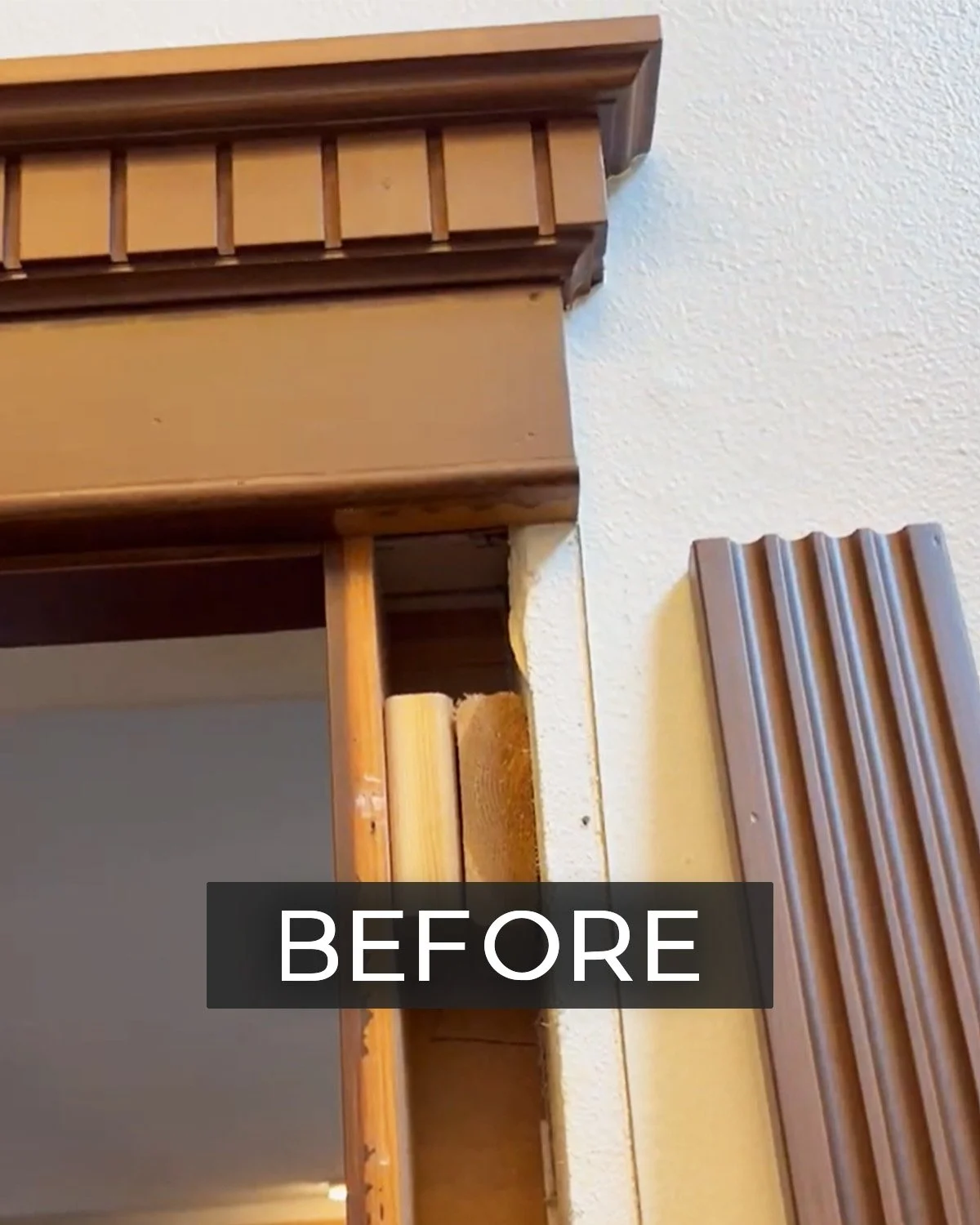
First, the doors were ordered, but took weeks longer than expected due to weather and shipping issues. Once they arrived, the custom factory staining (to match the rest of the doors in the house) took additional time. Next, when our finish carpenter pulled back the casing to prep for the door installation, he found something that stopped the job cold. The cased opening had a 4 to 6 inch gap between the framing and the casing, and the trim was literally hanging on drywall with no structural support behind it.
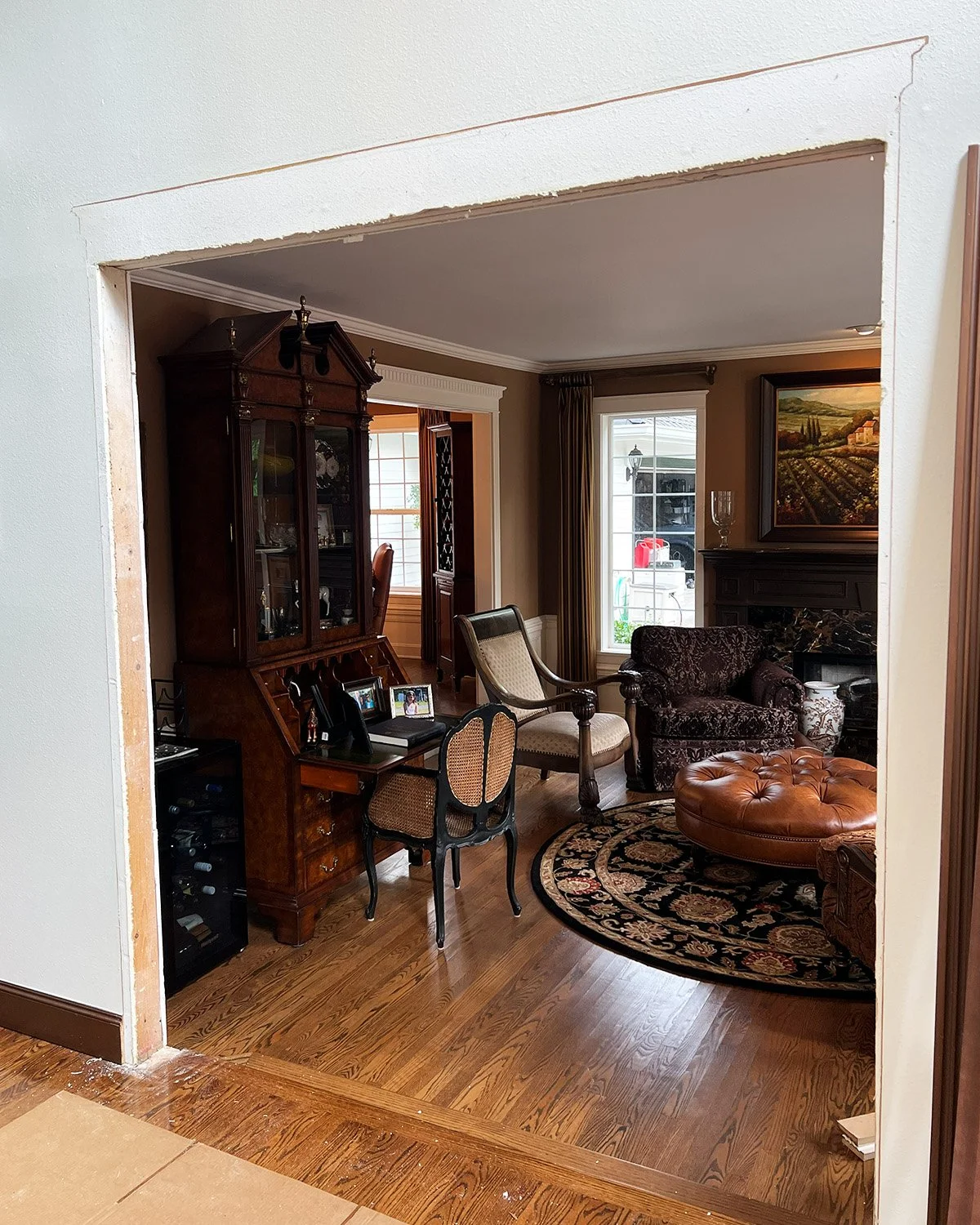
The heavy weight of wood and glass double doors cannot hang on extended drywall alone. The casing had to come out completely, the walls were reframed correctly with proper two-by-fours, plus a new header was added, and the walls were drywalled, textured and painted before we could even think about installing the doors.
The millwork hunt
Rebuilding the framing was an unexpected structural challenge, but easy enough to fix. The bigger adventure turned out to be matching and replacing the trim. What seemed like a quick and easy $3,000 job was becoming closer to a $10,000 job.
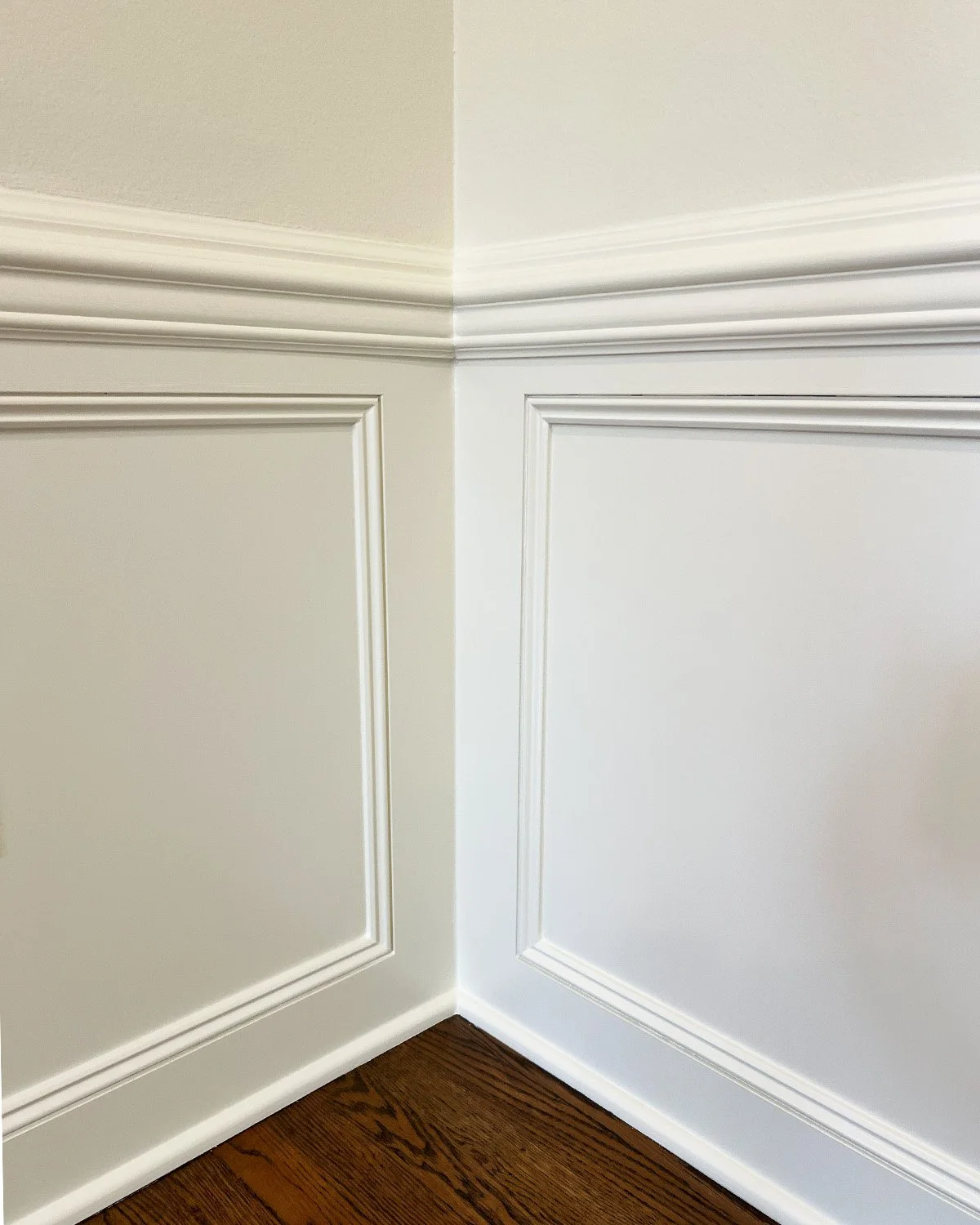
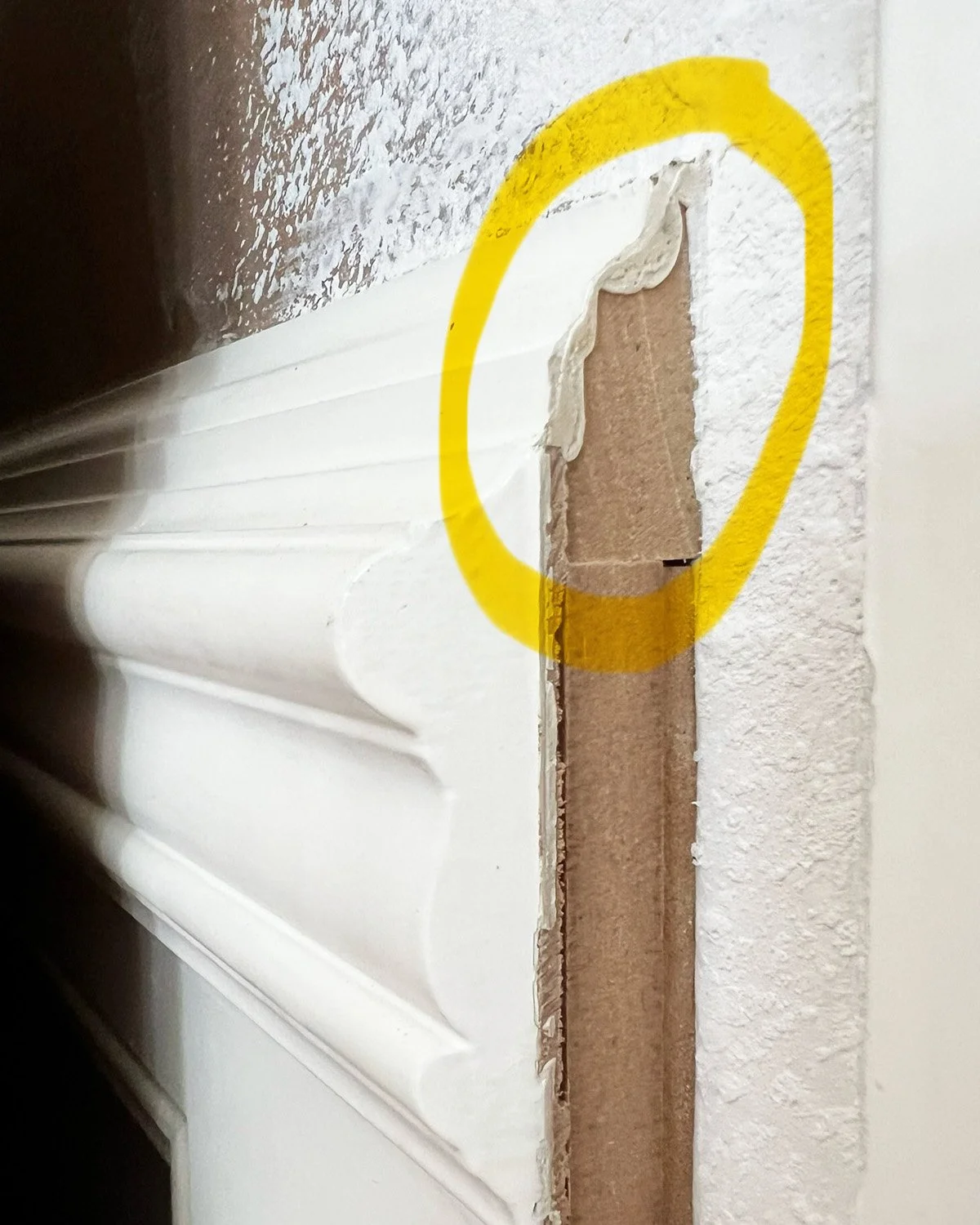
Built in the 1990s, the home had beautiful existing millwork throughout. Most of that was stained, but in the formal living room (now office), the custom millwork included very detailed casings, headers and an intricate chair rail, all painted white. Since we had to reframe the size of the door opening, there was a 3” gap on each side that needed to be filled in with millwork. Any new trim - casing, headers and chair rail details had to match to the existing 1990s millwork.
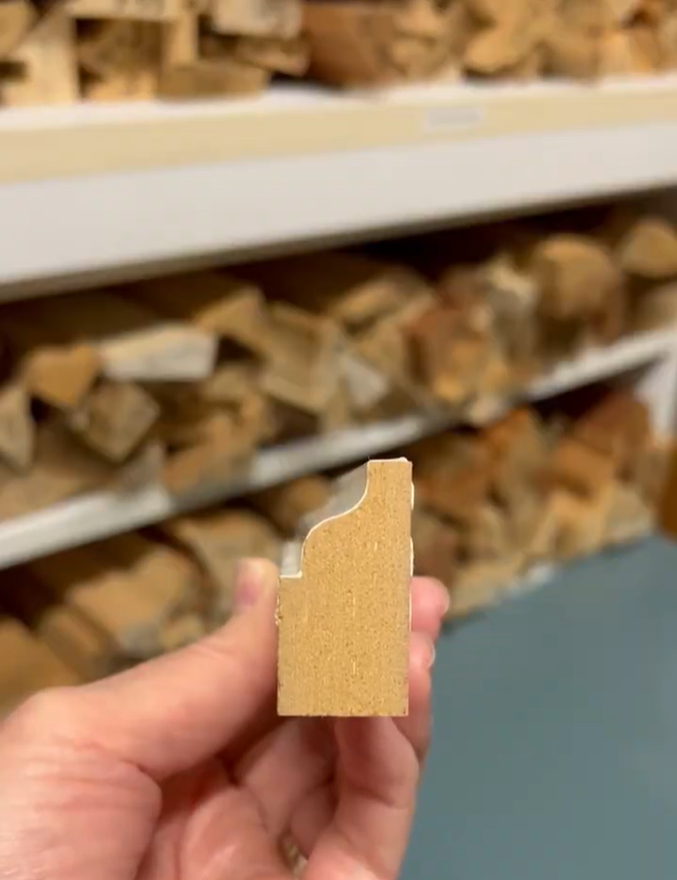
Custom millwork profiles aren't something you find at just any hardware store, and this particular profile hadn't been produced in years. So Kelly visited Seattle's older millwork yards — O.B. Williams (since 1889) and Limback Lumber (since early 1900s)— with a sample piece in hand, looking for a perfect match.
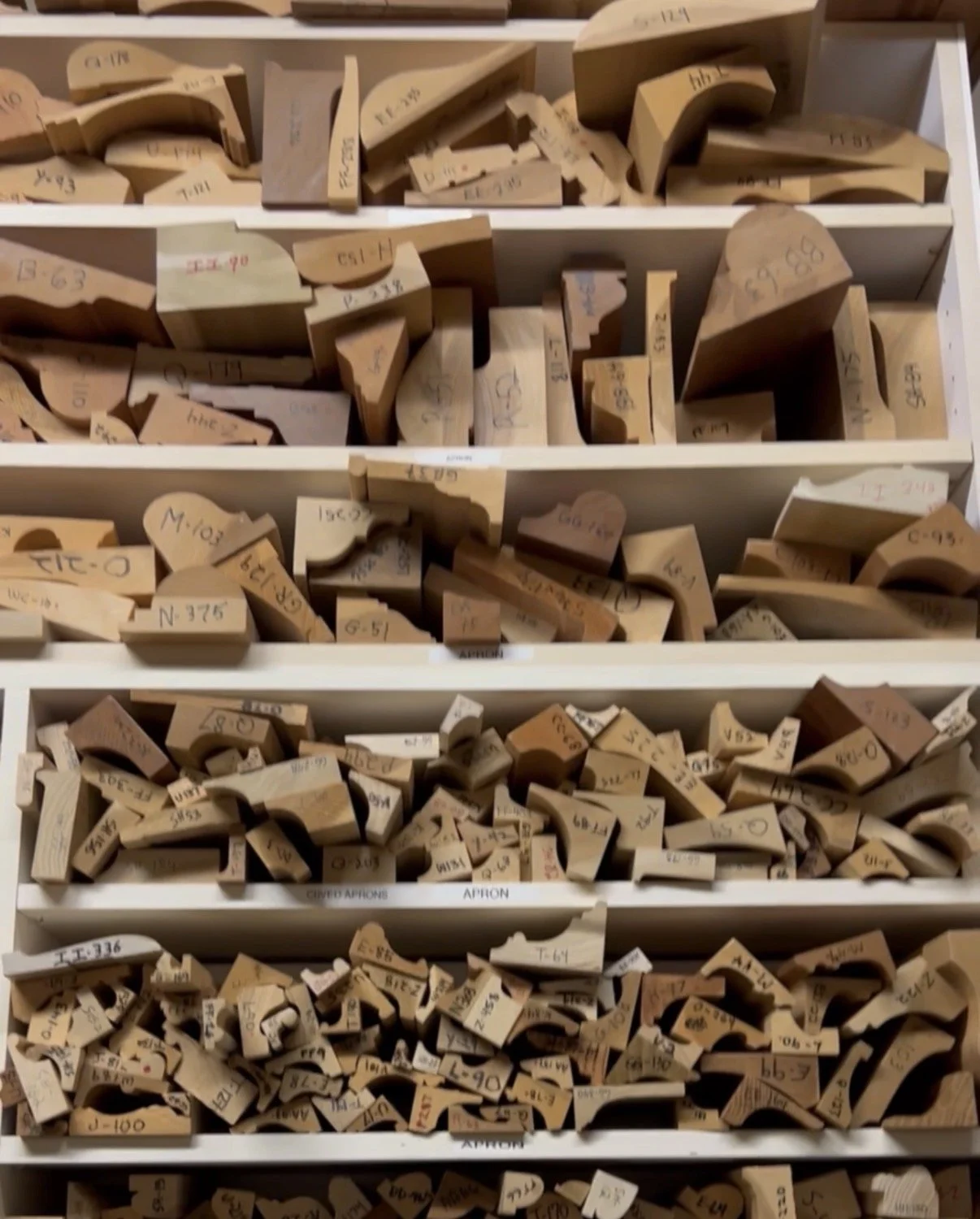
Kelly spent hours going through thousands of stacked profile samples, each one representing a different era and style. The profile in question was from the early 1990s, not particularly rare in terms of age but obscure enough that locating it required working through what felt like a catalog of nearly every trim piece ever produced in the Pacific Northwest. The first supplier didn't have the profile, but at the second shop, she handed over the sample piece and they recognized it immediately. They had the tooling to custom-mill the pieces she needed, and they cut them to spec.
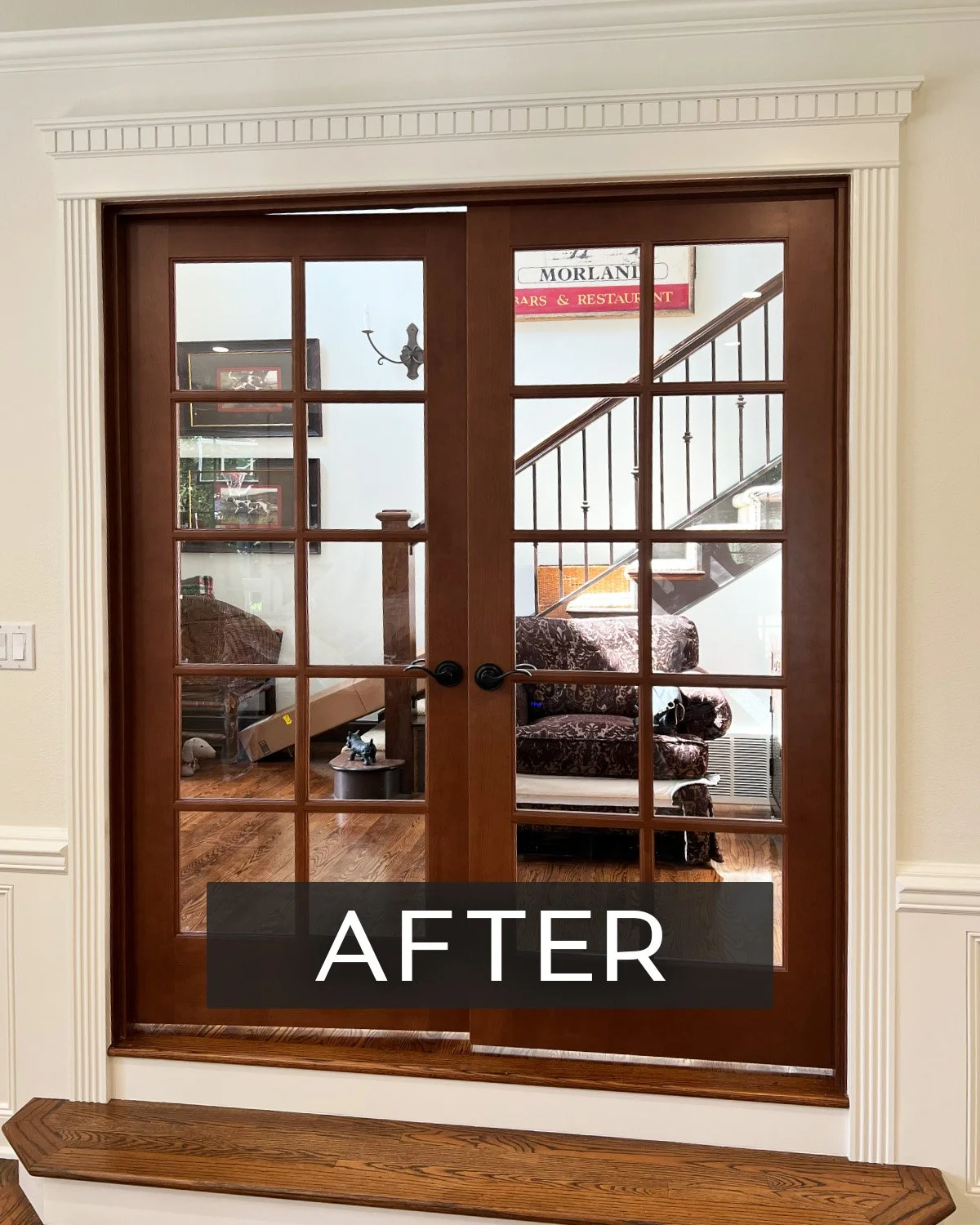
The result matched the rest of the house seamlessly.
What the finished space looks like
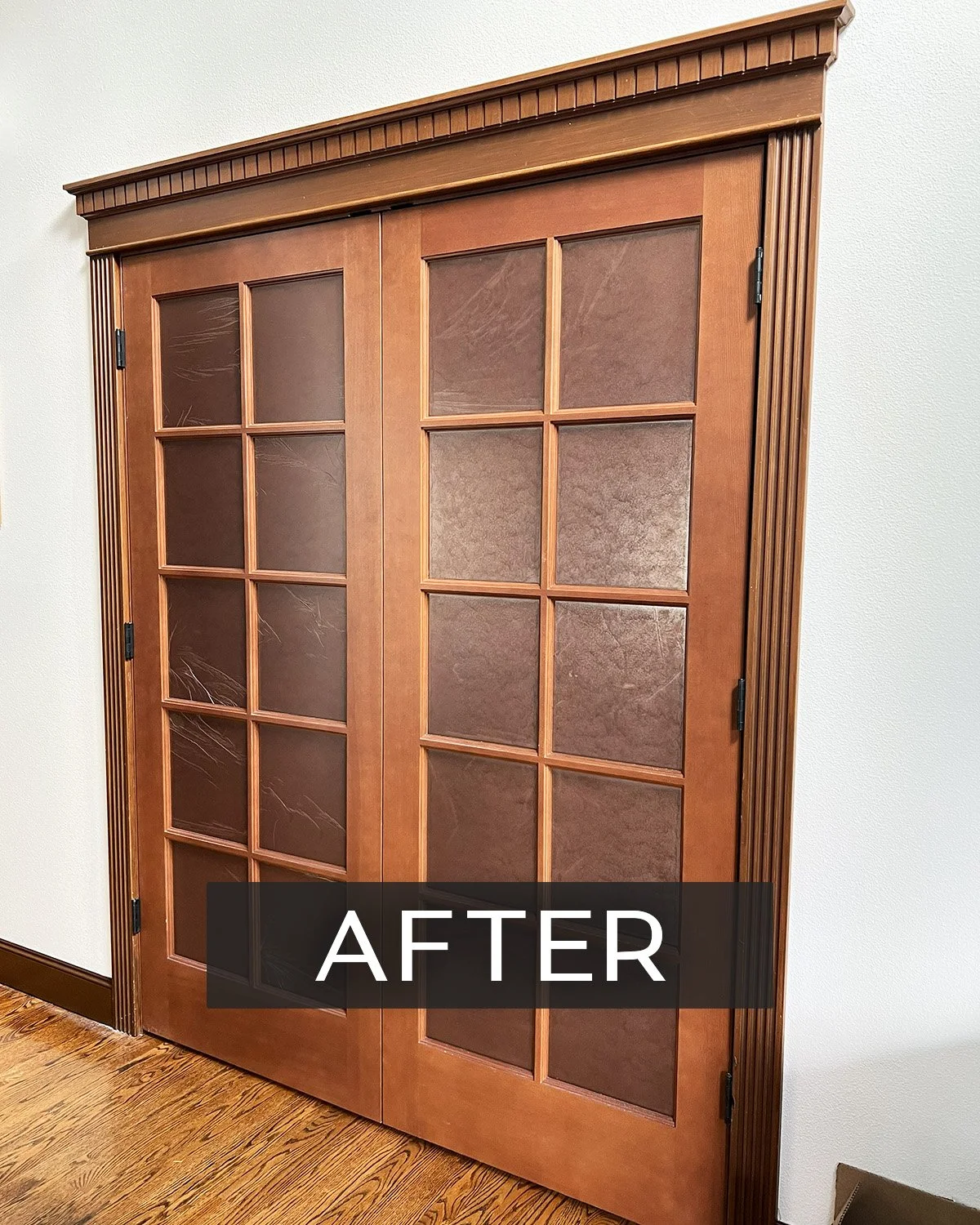
The old formal living room, once dark, heavy, and hardly used, now looks completely different, but still flows perfectly with the design of the entire house. This functioning home office is bright and beautiful with proper lighting and fresh White Dove paint throughout. The double glass doors are stained to match, and the hardware matches the existing doors. The client furnished the space with new Pottery Barn home office furniture, which provides drawers and cabinets to contain clutter, and best of all, to get her husband’s work off the kitchen counter!
What this project illustrates about remodeling
This project was a perfect example of what we explain to every client before we start: almost every remodel reveals something...the biggest questions are, what is the damage, and how much will this cost? The moment you open a wall or remove millwork, a cabinet, tile or anything from an older home, you often unveil unexpected (and expensive) surprises like structural issues, water damage, failed electrical or old plumbing. For this reason, we are reluctant to give firm estimates before we open walls. It's not evasiveness, we promise – it's just honesty, and it's the only fair way to set expectations.
If you're thinking about starting a remodel and want to understand more about how the estimating process works,our remodel guide covers what to expect before you commit to a project.
Construction surprises are the rule, not the exception
Older homes, even those built as recently as the 1990s and early 2000s, may have issues that don't surface until walls are open. Clients who understand this going in have a much better all-around experience with their contractor, who is ultimately there to fix the discovered issues!
Scope often grows once work begins, and that's okay
When surprise issues are discovered, the scope of work grows, the timeline extends and the budget expands. In the case of this home office, the structural correction was necessary to make sure the doors are solid, hung properly and will last for the life of the house.
Details (like millwork) matter more than people expect
Sierra Homes is very detail oriented. We make sure everything is done properly and no detail is missed. If the trim detail is not matching or even slightly off, we will notice that and fix it. Getting it right on this project required extra time and cost, and it was worth every bit of it in the end!
Frequently asked questions
Why can't contractors give exact remodel estimates upfront?
Until walls are opened, it's genuinely impossible to know what's behind them. Structural or framing issues, water damage, wood rot, electrical or plumbing problems, and code corrections are all common finds that may change the scope of a job. An experienced contractor can give a range and an honest set of conditions, but a firm fixed price before demo work is typically a sign that someone isn't being straight with you.
Can a formal living room be converted into a home office?
Yes, and it's a conversion that can make a real difference in how a home functions. Adding doors to an existing cased opening, updating lighting, and refreshing paint are all relatively contained changes that can transform an underused formal space into a room you actually want to work in.
How do you match existing millwork in an older home?
It requires locating the original profile, which may mean visiting specialty millwork yards or salvage suppliers with a sample piece in hand. Once the profile is identified, pieces can typically be custom-milled to match. It adds cost and lead time to a project, but a mismatched door casing will be noticeable for as long as you own the house, so it's usually the right call.
Is a living room-to-office conversion a good investment?
For homeowners who truly need dedicated workspace, this smart investment adds function to square footage that may otherwise go unused. Plus, a properly executed home office remodel, even with double doors added, can easily be converted back to a formal area for resale purposes. Glass doors in particular tend to read well to buyers because they allow light to move through the house rather than closing off a space completely.
Ready to rethink a space in your home?
Whether you have a room that isn't working for how you live now, or a design challenge that needs a fresh set of eyes, we'd love to talk through the possibilities.
